Early Warning Signs of Venous Stasis Ulcers You Shouldn’t Ignore

Sep 3, 2026
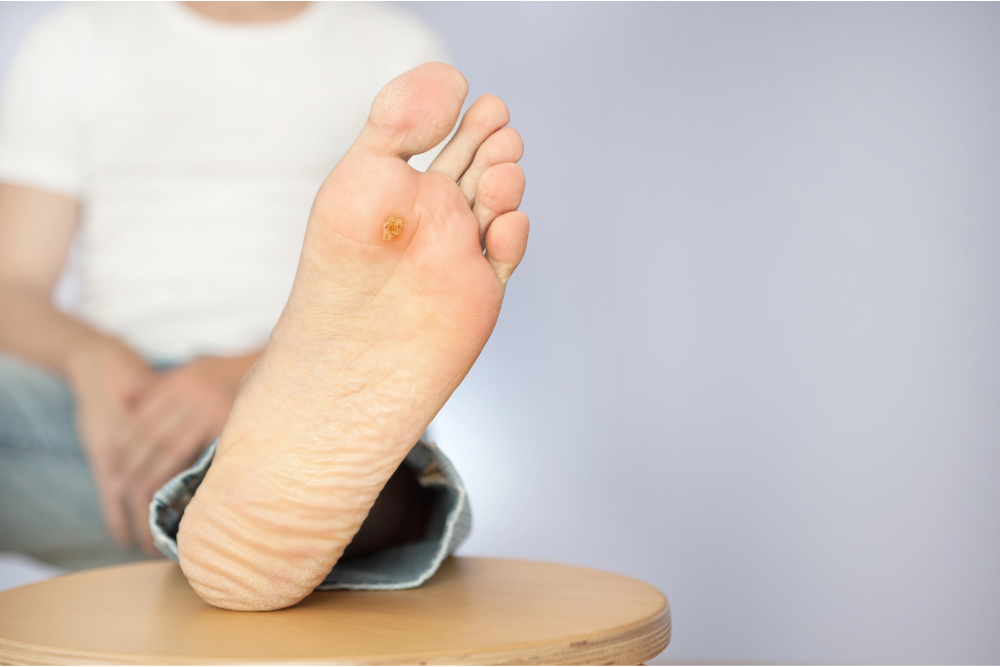
Venous stasis ulcers, also known as venous legulcers, are chronic, non-healing wounds that develop in the lower legs, usually just above the ankle. They are the final, severe complication of another condition: chronic venous insufficiency (CVI).
These ulcers form when persistent, high pressure within the leg veins damages surrounding skin and tissue, causing it to break down. They most commonly affect people with pre-existing vascular issues and certain lifestyle factors, including chronic venous insufficiency, unmanaged varicose veins, diabetes, obesity, limited mobility, older adults, and anyone with a history of recurrent leg swelling.
Catching venous stasis ulcers early is imperative, since delaying treatment can significantly increase the risk of severe infection, prolonged disability, and hospitalization.
An untreated ulcer can persist for months or even years, dramatically impacting mobility and quality of life. Keep reading to discover the subtle warning signs you or a loved one could be developing these painful, difficult-to-treat wounds.
The development of venous stasis ulcersn is a direct consequence of a breakdown in the circulatory system of the lower legs. Veinsrely on surrounding muscles and one-way valves to push deoxygenated blood backup to the heart. When a person is sitting or standing, this task is particularly challenging, as the blood must fight gravity.
Over time, these valves weaken and fail to close completely. Blood then starts to flow backward, a phenomenon known as reflux. This reflux causes blood to pool in the lower leg veins, leading to chronic venous hypertension (high pressure) and a cascade of inflammation.
Chronic inflammation, together with leaked proteins and fluid, chokes off the skin’s blood supply and compromises its natural ability to repair itself. The skin gets starved of oxygen and nutrients, leading to a condition called venous stasis dermatitis that makes it fragile and dry.
At this point, even a minor scratch or bump can lead to a wound that the weakened skin cannot heal, resulting in a full-blown venous stasis ulcer.
Also Read: Venous Disorders and Foot Ulcers: How Circulation Problems Affect Healing
One of the most common and earliest indicators of venous insufficiency is persistent edema, or swelling, especially around the ankles and lower legs. This swelling is characterized by a daily pattern, so it’s typically minimal in the morning but grows noticeably worse after standing or sitting throughout the day. It often resolves or significantly improves after a night of lying down, only to return once the person resumes upright activity the following day.
This consistent, returning swelling is a direct signal that the venous system is struggling to return fluid against gravity, increasing pressure within the tissues.
As the chronic venous pressure pushes red blood cells out of the capillaries and into the skin, the body attempts to break them down. The iron content from these red blood cell deposits in the tissue stains the skin (hemosiderin staining).
The skin, usually just above the ankle(the gaiter area), often develops permanent brown, purple, or reddish patches. It’s a critical, visible sign of long-standing venous disease and should prompt an immediate vascular assessment.
Due to the persistent inflammation and fluid leakage, the skin becomes irritated and dry, leading to a condition known as venous stasis dermatitis. The affected skin often feels intensely itchy, forcing the individual to scratch.
This condition is frequently misdiagnosed or dismissed as simple dry skin or a common rash like eczema. However, the inflammation is a precursor to skin breakdown; scratching can introduce bacteria and accelerate the formation of an open sore.
As the condition progresses, the fluid and inflammation in the tissue trigger a hardening process called lipodermatosclerosis. This is a sign of severe, progressing venous disease where the skin and underlying fatty tissue become thick, firm, and leathery, sometimes feeling woody or calcified to the touch.
In some cases, the leg may take on an inverted champagne bottle or "bowling pin" appearance, where the ankle area is narrowed due to tissue scarring and hardening above it.
Chronic venous hypertension causes uncomfortable, throbbing sensations that are distinct from muscle pain or arthritis. Patients often describe a dull, persistent ache, feeling of heaviness, or tired legs. Pain typically worsens throughout the day and is noticeably relieved when the legs are elevated above the level of the heart, confirming a venous issue.
In the most advanced pre-ulcerative stage, the skin becomes extremely compromised and delicate, resembling stretched plastic wrap. The skin over the gaiter area may look taut, shiny, and thin. This fragility means the skin has virtually no ability to withstand minor trauma. A small bump against furniture, a minor scratch, or even the friction from clothing can be enough to tear the skin and initiate the ulceration process.
Any minor skin break that normally would heal within a few days, like a mosquito bite or stubbed toe, instead lingers, taking weeks or even months to close. This dramatically slow healing confirms that local circulation is severely impaired, preventing the delivery of necessary oxygen, nutrients, and immune cells to the wound site. This is a red flag that the skin environment is compromised.
When the skin finally breaks down, the warning signs transition into active venous ulcer symptoms. This typically starts as a shallow, irregular open sore, most often located near the ankle or on the inner calf.
You may notice oozing or clear fluid drainage, often accompanied by surrounding redness or warmth. The pain may increase, and the area will display visible skin breakdown despite routine care.
Seek immediate medical evaluation if you experience:
● Any of the persistent skin changes(discoloration, hardening, extreme dryness) lasting more than a few days.
● Increasing swelling that does not entirely resolve overnight with elevation.
● Any open sore on your leg, particularly around the ankle, that does not show signs of significant healing within two weeks.
● Signs of infection: increasing redness spreading away from the wound, foul odor, thick green or yellow pus, or fever.
Also Read: Venous vs Arterial Foot Ulcers: Key Differences in Wound Care in Treatment
This is the cornerstone of managing venous insufficiency. Wearing specialized compression stockings or bandages applies graduated pressure to the leg, assisting the veins in pushing blood and fluid upward, thereby reducing swelling and pressure in the ankle area.
Simple daily elevation encourages blood return to the heart. Patients should aim to elevate their legs above the heart level for at least 30minutes, three to four times per day. This practice is most effective when done while resting or watching television.
To combat stasis dermatitis, use bland, gentle moisturizing creams to prevent excessive dryness and cracking. Avoid harsh soaps or fragranced lotions that can trigger irritation or an allergic reaction. Gentle cleansing is what will prevent bacteria from entering compromised skin.
Regular activity, especially walking and ankle exercises like flexing the foot up and down, stimulates the calf muscle pump. This natural mechanism squeezes the deep veins in the legs, actively assisting blood flow back to the heart, and is essential for preventing pooling.
Addressing obesity reduces overall pressure on the leg veins, while controlling blood sugar levels in patients with diabetes is critical, as high glucose compromises wound healing and increases infection risk. Quitting smoking can also help improve overall circulation.
● Individuals with pronounced or long-standing varicose veins.
● Older adults whose veins and calf muscles naturally weaken with age.
● Those with limited mobility or sedentary jobs require long hours of sitting or standing.
● People with a history of heart failure or kidney disease who experience lower extremity edema.
● Individuals with diabetes or peripheral artery disease which significantly impair circulation and healing capability.
The painful progression to a venous stasis ulcer is preventable. The early warning signs we mentioned here are clear signals from your body that your venous system requires attention.
Simple daily practices like leg elevation and compression therapy, coupled with timely medical evaluation using duplex ultrasound, can stop this process in its tracks.
Do not dismiss discomfort or visible changes; seek expert help at Advanced Foot and Ankle Specialists now to preserve your mobility and quality of life.

