Advanced Foot and Ankle

The Complete Guide to Podiatry Services in Elgin, IL

The human foot holds 26 bones, 33 joints, and more than 100 muscles, tendons, and ligaments; it is designed to bear the weight of the entire body and facilitate complex movements. From the moment we take our first steps as toddlers to our daily walks in retirement, our feet are under constant stress.

Foot and ankle issues are prevalent across all age groups, and an estimated 75% of Americans will experience foot problems at some point in their lives.

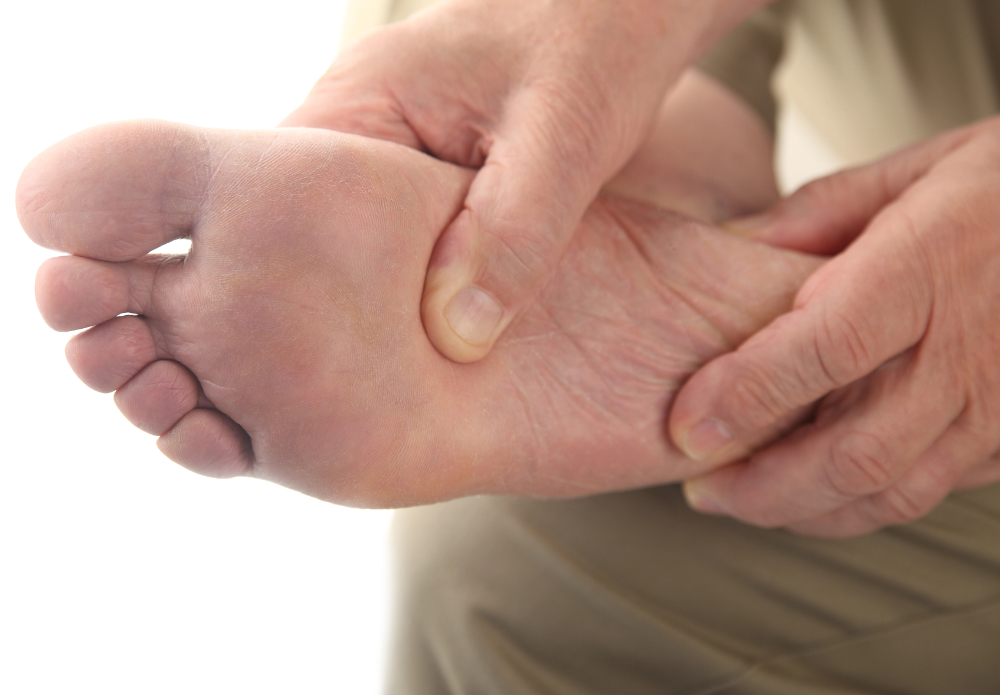
When foot pain strikes, it negatively impacts your quality of life. For example, a painful step can cause you to lead a sedentary lifestyle, which in turn contributes to weight gain, cardiovascular issues, and poor mental health.

Another example is compensatory gait, in which the body adjusts its movement to avoid pain; this can lead to secondary issues in the knees, hips, and lower back.
Fortunately, whether you need a podiatrist near you that accepts Medicare, a sports podiatrist for your high school athlete, or a doctor for ingrown toenail removal, the Elgin area has the foot and ankle specialists you’re looking for.

Keep reading for your very own roadmap to podiatry services in Elgin, IL, including what these specialists do, the conditions they treat, the technology they use, and how to find the best foot doctor for your specific needs.

What Does a Podiatrist Do?

A podiatrist, or Doctor of Podiatric Medicine (DPM), is a highly specialized medical professional who has devoted their entire career to the study, diagnosis, and treatment of disorders of the foot, ankle, and lower leg.

Institutional education of a foot and ankle specialist includes four years of undergraduate study, followed by four years of podiatric medical school, and a three-year hospital-based residency. 

This depth of focus makes them the most qualified physicians to handle everything from skin conditions to complex bone reconstruction.

Conditions Commonly Seen in Elgin Patients

Heel Pain and Plantar Fasciitis

The most common complaint in podiatry offices is characterized by sharp pain in the heel, especially in the morning.

Bunions (Hallux Valgus)

A progressive bone disorder where the big toe leans toward the second toe, creating a painful bump on the side of the foot.

Hammertoes

A deformity where the toe curls downward instead of pointing forward, often leading to painful corns.

Heel Pain and Plantar Ingrown Toenails

A common condition where the nail grows into the soft tissue, causing pain, swelling, and a high risk of infection.

Neuropathy

Nerve damage often associated with diabetes that causes numbness, tingling, or burning sensations.

Diabetic Foot Problems

Includes non-healing ulcers, Charcot foot (bone weakening), and infections.

Tendonitis

Inflammation of the tendons, such as the Achilles tendon or posterior tibial tendon

Sports Injuries

Sprains, fractures, turf toe, and stress fractures are common in runners and athletes.

Arthritis

Osteoarthritis or rheumatoid arthritis that causes joint degeneration and stiffness in the ankle or midfoot.

Podiatry Services Currently Available in Elgin, IL

Routine Foot Care aka Palliative Care

Toenail Care - Professional trimming and debridement for patients who cannot reach their feet or have thickened, fungal nails, aka onychomycosis.

Callus and Corn Management - Safe removal of painful skin build-up. FYI, attempting bathroom surgery on these at home often leads to infection.

Skin Conditions - Treatment for athlete’s foot, dry cracked heels or fissures, and plantar warts.

Preventive Care - Regular checks for at-risk patients to catch breakdowns before they become an ulcer.

Diagnostic Services

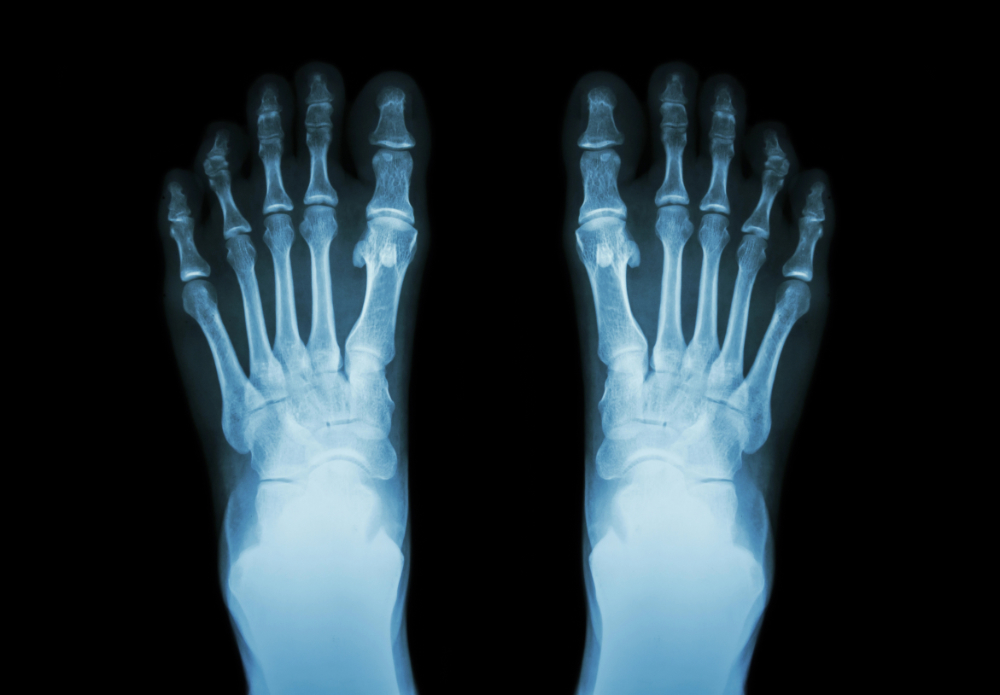
Digital X-rays - Unlike traditional film, digital X-rays provide high-resolution images instantly with less radiation exposure. They allow your podiatrist to zoom in on micro-fractures or subtle bone changes.

Diagnostic Ultrasound - This non-invasive tool lets foot specialists visualize soft tissues like ligaments, tendons, and cysts in real-time and is used for diagnosing plantar fasciitis tears or neuromas.

Gait Analysis - By watching a patient walk or run, sometimes on a treadmill, your doctor can identify biomechanical faults like flat feet or high arches that contribute to foot pain.

Vascular Testing (ABI) - Checking blood flow to verify healing potential, especially critical for diabetic patients.

Conservative Treatments

Custom Orthotics - These are prescription medical devices made from a 3D mold or scan of your foot that align it into a neutral position, offloading pressure and correcting gait abnormalities.

Bracing and Splints - Includes ankle braces for stability and night splints that stretch the calf muscle while you sleep to relieve plantar fasciitis.

Physical Therapy - Specialized exercises to strengthen the intrinsic muscles of the foot and improve the range of motion.

Shockwave Therapy (ESWT) - A revolutionary non-invasive treatment that uses high-energy sound waves to stimulate blood flow and restart the healing process in chronic tendonitis or fasciitis cases.

Medications - Prescription anti-inflammatories, antibiotics for infections, or topical compounds for pain.

Corticosteroid Injections - Targeted injections to rapidly reduce severe inflammation and pain in joints or soft tissue.

Advanced & Regenerative Treatments

Platelet-Rich Plasma (PRP) - The doctor draws the patient's blood, spins it to concentrate the healing platelets, and injects it back into the injured area, effectively using the body's own healing abilities to treat tears and arthritis.

Amniotic or Cellular Therapies - Using stem cell-derived products to promote tissue regeneration.

Laser Therapy - Includes the Class IV / MLS Laser that uses light energy to reduce pain and inflammation at the cellular level. Fungal nail lasers penetrate the nail plate to kill the fungus growing underneath without damaging the skin.Surgical Services

Surgical Services

Bunion and Hammertoe Correction - Realigning the bones and balancing the soft tissues to straighten the toes.

Heel Spur Surgery - Releasing the plantar fascia and removing bone spurs.

Neuroma Surgery - Decompressing or removing irritated nerves, also known as Morton’s Neuroma.

Tendon Repair - Sewing torn tendons, like the Achilles tendon, back together.

Ankle Stabilization - Reconstructing ligaments in patients with chronic ankle instability.

Minimally Invasive Foot Surgery - Using tiny incisions and specialized burrs to correct deformities with less soft tissue damage and faster recovery times.

Limb Salvage - Complex procedures to treat diabetic infections and prevent major amputations.

Conditions Treated

Plantar Fasciitis

If you step out of bed and feel a sharp, stabbing pain in your heel, you may have developed plantar fasciitis. This is a common condition caused by inflammation of the thick band of tissue or fascia that connects your heel bone to your toes.

Plantar fasciitis is often an overuse injury, but it can also be caused by mechanics like flat feet or high arches, obesity, and tight calf muscles.

If left untreated, it can progress to chronic plantar fasciosis, in which the tissue begins to degenerate and die. A podiatrist specializing in plantar fasciitis can help you stop this cycle once and for all.

Diabetic Foot Care

Diabetes has a profound effect on the feet. High blood sugar damages blood vessels in Peripheral Arterial Disease and nerves in Peripheral Neuropathy.

A diabetic patient might step on a shard of glass and, due to neuropathy, feel no pain. Without good blood flow, the immune system cannot fight the bacteria, leading to a severe infection that can reach the bone called osteomyelitis.

Regular visits to a foot specialist for specialized foot care, such as diabetic shoe fittings and routine nail care, can significantly reduce the risk of amputation.

Sports Injuries

Elgin is home to many athletes, from high school varsity players to weekend 5K runners, so injuries are not unheard of. Ankle sprains are the most common, and a sports podiatrist can determine whether a sprain is a fracture and treat it to prevent long-term instability and hasten recovery.

Overuse injuries are also common in Elgin, especially stress fractures (hairline cracks in the bone) and shin splints that can happen when training intensity ramps up too quickly.

Heel Pain

A foot pain doctor will use imaging to differentiate the different causes of your heel pain, as the treatments vary significantly. While plantar fasciitis is the leading cause, the condition itself is complex and can result from a variety of conditions, like:

Achilles Tendonitis: Pain at the back of the heel.
Bursitis: Inflammation of the fluid-filled sacs that cushion the bones.
Sever’s Disease: Heel pain in children, also known as calcaneal apophysitis.
Fractures: Stress fractures of the calcaneus heel bone.

Toenail & Skin Conditions

The following toenail and skin conditions are frequently treated by podiatrists in Elgin, IL:

Fungal Nails: Thick, yellow, brittle nails that can be highly unsightly, painful, and even harbor dangerous bacteria.
Ingrown Toenails: When the nail curves into the skin, it causes a foreign body reaction. An ingrown toenail doctor can perform a simple, in-office procedure to remove the nail edge and use a chemical to prevent it from ever growing back.
Warts: Caused by the HPV virus, plantar warts are usually covered by a callus and can be very painful to walk on.

Arthritis & Chronic Pain

The ankle joint bears more weight per square centimeter than any other joint in the body; thus, post-traumatic arthritis (arthritis that occurs years after an injury) is common. An orthopedic foot doctor can help you manage this condition and other chronic foot pain problems through steroid injections, bracing, and, if necessary, ankle fusion or replacement.

Podiatry for Children and Adolescents

Children’s feet are pliable and developing, and issues ignored in childhood can easily become chronic problems in adulthood. A pediatric podiatrist in Elgin looks for these specific conditions:

Pediatric Flatfoot: Although many children have flat feet, if it causes pain or fatigue during activity, it will require treatment with orthotics.
Calcaneal Apophysitis (Sever’s Disease): The growth plate in the heel becomes inflamed during growth spurts, so Sever’s Disease is common in active kids aged 8-14.
Intoing (Pigeon Toes): Often caused by the rotation of the tibia or femur.
Verruca (Warts): Children are highly susceptible to warts from locker rooms and pools.
Ingrown Nails: Tight cleats and improper nail trimming make this a top issue for teens.

When to See a Podiatrist
in Elgin, IL

Before you decide to tough it out, remember that delays in treatment often lead to longer recovery times. You should see a local podiatrist if you experience any of the following:

- You have pain in your feet or ankles that lasts more than 3-5 days.
- You notice  swelling that does not improve with elevation.
- Your shoes affect the way you walk.
- You have diabetes; even without foot pain, you need an annual exam.
- You notice a change in the color or temperature of your foot.
- You have a mole or dark spot on your foot, as melanoma skin cancer can occur on the feet.

Call an ankle specialist or go to urgent care immediately if:

- You cannot bear weight on the foot.
- The foot is deformed or bent at an odd angle from a suspected fracture or dislocation.
- There are signs of infection: redness spreading up the leg, heat, pus, or fever.
- You have an open wound that is not healing.
- You experience sudden, severe pain accompanied by a pop.

What to Expect During Your Podiatry Appointment

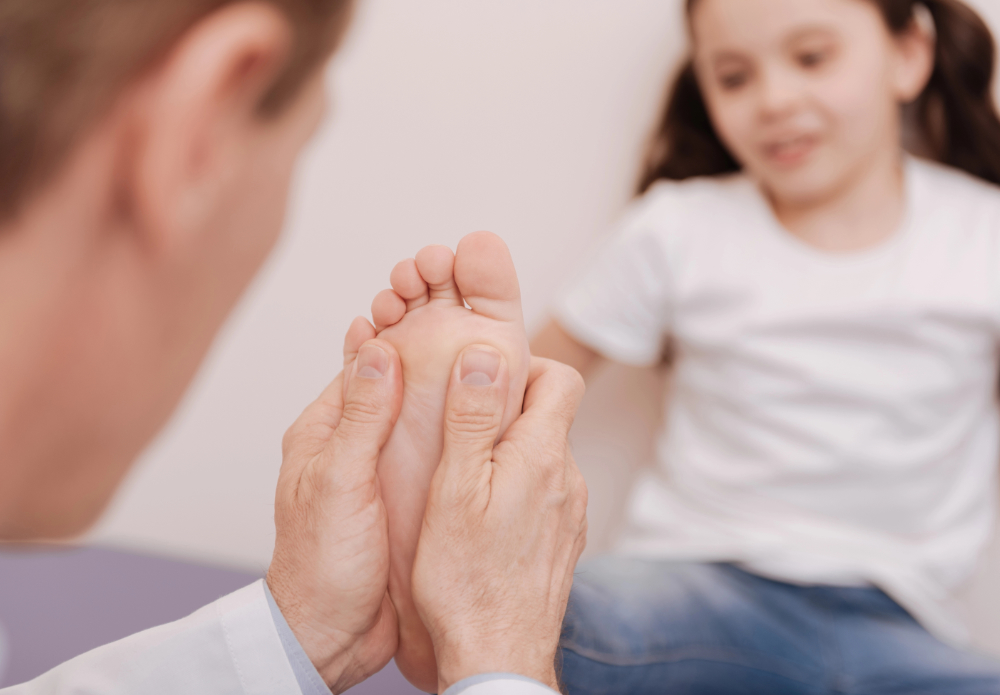
Upon arriving at the podiatry clinic, you will provide your medical history, and the foot doctor will ask about your pain: Where is it? What makes it better or worse? When did it start? You will remove your shoes and socks, and then the doctor will palpate the painful areas, check your range of motion, and assess your circulation and nerve function.

Most appointments include diagnostic imaging. Once the diagnosis is confirmed, the doctor will build a plan. At Elgin clinics, the focus is typically on a conservative-first approach, and podiatrists will explain why you are hurting and how the proposed treatment solves the problem.

Podiatry is a partnership, and follow-up care is essential. You may need to return for:

Casting or scanning for custom orthotics.
Follow-up X-rays to check bone healing.
Weekly treatments for warts or wound care.
Physical therapy sessions.

Choosing the Best Podiatrist in Elgin, IL

Be sure to look for a doctor certified by the American Board of Foot and Ankle Surgery (ABFAS) or the American Board of Podiatric Medicine (ABPM). This indicates they have passed rigorous exams and case reviews. Don’t forget to inquire about their experience: have they treated your specific condition before? How many surgeries have they performed? And so on.

Furthermore, medicine advances quickly, so you want a podiatrist who keeps up: Do they offer minimally invasive surgery? Do they have digital X-rays that emit less radiation? Do they offer regenerative options like PRP? A clinic that invests in technology ultimately invests in your recovery.

As for convenience, keep in mind that when you have a foot injury, driving long distances is difficult. Choosing the nearest foot doctor in Elgin means easier appointment commutes. Always check if the podiatrist accepts Medicare or your specific PPO/HMO plan to avoid surprise bills. Last but not least, read the reviews. A technically skilled surgeon who doesn't listen to you is not the right fit. Look for comments about bedside manner, staff professionalism, wait times, and health outcomes.

Preventing Future Foot & Ankle Problems

Here is how to keep your feet and ankles healthy between visits to your local podiatrist:
Shoe Gear: Wear shoes appropriate for the activity. Do not run in tennis shoes; run in running shoes. Ensure the toe box is wide enough to wiggle your toes.
Shop in the Afternoon: Feet swell throughout the day. Buying shoes in the afternoon helps make sure they won't be too tight.
Hygiene: Wash your feet daily and dry thoroughly between the toes to prevent athlete's foot.
Rotation: Don't wear the same pair of shoes two days in a row; let them air out.

If you are diabetic:
Inspect Daily: Use a mirror to check the bottom of your feet for cuts or red spots.
Never Go Barefoot: Wear shoes and/or socks wherever you go, even when you’re in your own home. 
Control Blood Sugar: High glucose levels slow healing and damage nerves.If you are an athlete:
Warm-Up: Dynamic stretching before activity.
Cool Down: Static stretching after activity.
Replace Shoes: Running shoes lose their shock absorption after 300-500 miles.
Listen to Your Body: Pain is a warning signal. Rest is a valid training tool.

Why Elgin Patients Prefer Local Care

Elgin is a hub for surrounding communities, including South Elgin, Bartlett, Streamwood, St. Charles, Gilberts, Carpentersville, and West Dundee. Choosing a local podiatrist serves the practical needs of residents in the Fox Valley area who are experiencing foot pain, heel pain, diabetic foot, etc.

By choosing a podiatry services provider in Elgin, you can look forward to experiencing the following benefits:
Ease of Follow-Up: If you have surgery, you will need multiple post-op visits, so a short drive makes all the difference when mobility is limited.
Community Connection: Local doctors understand the specific needs of the community, like injuries from the local high school sports programs or occupational hazards from local industries.
Hospital Affiliation: Many Elgin podiatrists have privileges at local hospitals like Advocate Sherman Hospital or AMITA Health St. Joseph to maintain continuity of care if you are hospitalized.

Also Read: Your Guide to Podiatry: Foot & Ankle Conditions, Treatments, and When to Seek Care

FAQ's

1. What conditions does a podiatrist in Elgin treat most often? Podiatrists in Elgin frequently treat heel pain from plantar fasciitis, bunions, ingrown toenails, fungal nails, diabetic ulcers, and ankle sprains. They also manage corns, calluses, and warts.

2. Do I need a referral to see a podiatrist? It depends on your insurance. Most PPO plans allow you to schedule directly with a foot specialist. However, HMO plans and some Medicare Advantage plans may require a referral from your primary care physician.

3. How do I know if I need custom orthotics? If you have recurring foot pain, flat feet, high arches, or lower back pain that store-bought inserts haven’t fixed, you likely need custom orthotics. A foot and ankle specialist performs a biomechanical exam to determine this.

4. Can podiatrists perform surgery? Yes. A podiatric surgeon is a fully trained surgical specialist capable of performing procedures on the bones, soft tissues, and joints of the foot and ankle, often holding hospital privileges.

5. What should I expect at my first podiatry appointment? Expect a thorough medical history review, a physical exam of the lower legs and feet, and likely digital X-rays. You will receive a diagnosis and a discussion of treatment options, usually starting with conservative care.

6. Does insurance cover podiatry visits? Yes, most major insurance plans and Medicare cover medically necessary podiatry visits. Routine care like nail trimming is covered only for at-risk patients like those with diabetes or PVD who meet specific criteria.

7. How can I prevent foot pain from returning? Adherence to the treatment plan is key. Continue wearing supportive footwear, use your orthotics as prescribed, maintain a healthy weight, and keep up with stretching exercises even after the pain is gone.

8. Is heel pain a sign of something serious? While most heel pain is plantar fasciitis, it can also be a sign of a stress fracture, nerve entrapment, or systemic arthritis. Persistent pain should never be ignored and warrants a visit to a foot pain doctor.

9. When should a diabetic patient see a podiatrist? Diabetics should have a comprehensive foot exam at least once a year. If they discover a wound, blister, or infection, they should see a diabetic foot care specialist immediately, ideally within 24 hours.

10. How do I choose the right podiatrist in Elgin, IL? Look for a board-certified doctor who has positive local reviews, offers the specific services you need, and accepts Medicare or your specific insurance plan.

Expert Podiatry Services in Elgin

Feet are the foundation that carries you through work, play, and all the moments in between. Ignoring foot pain can limit your freedom and negatively impact your overall well-being.

At Advanced Foot and Ankle Specialists in Elgin, IL, our podiatrists are equipped with the medical expertise, surgical skills, and compassionate approach to resolve your pain.

Whether you are dealing with a nagging ingrown toenail, a sports injury, or chronic heel pain, help is available locally. Don't let foot pain bring you down: make an appointment today to start healing.

Ready to take the next step?
If you are experiencing foot or ankle pain, do not wait any longer for it to get worse.
Request an appointment today at Advanced Foot and Ankle Specialists at our Elgin location.