Signs of Poor Circulation in the Feet and Ankles

Jun 25, 2026
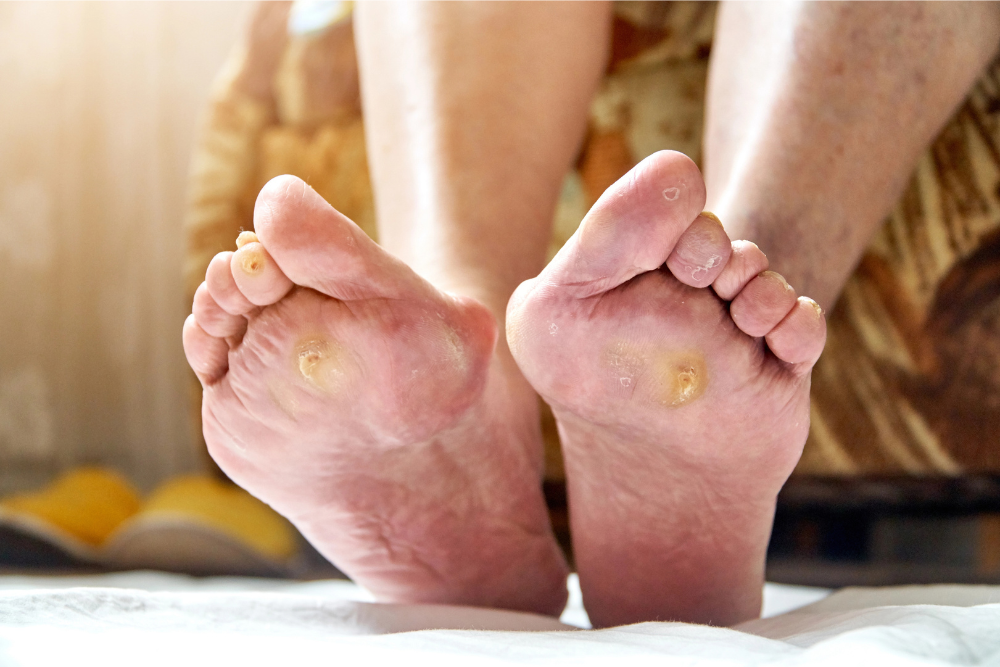
Healthy circulation plays a central role in maintaining strong and functional feet. Blood flow delivers oxygen, nutrients, and immune cells to tissues throughout the body. In the feet and ankles, this supply is especially important because these structures carry the body’s weight and experience constant mechanical stress.
Circulation also supports healing and nerve health. When blood flows efficiently through the vessels, small cuts, blisters, or skin irritations can heal more quickly. Nerves also depend on adequate blood flow to transmit signals properly.
Circulation problems often appear first in the lower extremities. Because the feet and ankles are the farthest areas from the heart, they may show early signs when blood flow becomes limited.
Some people notice cold feet or subtle temperature changes. Others begin to experience numb feet, tingling in the feet, or ankle swelling. These symptoms may seem minor at first, but they can signal developing foot circulation problems.
Recognizing these early signs of poor circulation in the feet and ankles allows patients to seek care before more serious complications develop.
Poor circulation in the feet and ankles can develop for several reasons. Many cases involve conditions that affect the blood vessels that carry blood to the lower extremities.
Peripheral artery disease is one of the most common causes. This condition occurs when arteries narrow due to plaque buildup, which reduces blood flow to the legs and feet.
Diabetes can also contribute to foot circulation problems. Over time, elevated blood sugar levels damage blood vessels and impair circulation. This is why individuals with diabetes are often monitored closely for symptoms affecting their feet.
Other medical conditions may also reduce circulation. Heart disease, vascular narrowing, and smoking-related blood vessel damage can interfere with normal blood flow.
Lifestyle factors may also play a role. Sedentary habits, obesity, and poor vascular health can contribute to circulatory problems in the legs. When blood flow is reduced, tissues that are farthest from the heart are usually affected first.
Cold feet are one of the most common early symptoms of circulatory issues. Many people notice their feet feel colder than the rest of their body, even when the environment is warm.
Blood helps distribute heat throughout the body. When circulation decreases, less warmth reaches the feet, which can make them feel constantly cold.
This symptom often leads people to ask why their feet are always cold and numb. While the causes of cold feet can vary, poor circulation in the feet is a common explanation when the symptom is persistent.
If the feet remain cold despite wearing warm socks or being in a comfortable environment, it may indicate reduced blood flow to the lower extremities.
Changes in sensation can also indicate circulation problems. Tingling in the feet, often described as a “pins and needles” feeling, may occur when blood flow becomes restricted.
Some individuals also experience numbness in the feet, particularly in the toes or soles. These symptoms may appear during walking, after sitting for long periods, or even while resting.
Circulation and nerve health are closely connected. When the blood supply decreases, nerves may not function as efficiently. That is why tingling and numbness in the feet are often associated with circulation problems, which often occur together.
Although numbness may also be related to nerve damage, circulation issues should always be considered as a possible cause.
Ankle swelling is another symptom that may signal circulation concerns. Swelling occurs when fluid accumulates in the tissues of the lower extremities.
Some swelling can occur after prolonged standing, sitting, or travel. This type of swelling is usually temporary and improves once the legs are elevated or movement resumes.
Persistent swelling is different. When ankle swelling continues day after day or does not improve with rest, it may suggest circulation problems. Poor circulation in the ankles can interfere with the body’s ability to move blood and fluid back toward the heart.
Over time, this fluid build up may lead to ongoing discomfort, skin tightness, and visible swelling around the ankles or lower legs. When swelling becomes frequent or persistent, it should be evaluated to rule out underlying circulation issues.
Cuts, blisters, or small wounds that heal slowly can be an important warning sign of circulation problems. Healthy blood flow delivers oxygen and nutrients necessary for tissue repair. When blood circulation decreases, wounds may take longer to close. Minor injuries on the feet can persist longer than expected.
In some cases, wounds may become infected more easily because the immune system receives less support from circulating blood.
This symptom is especially important for individuals with diabetes. Slow healing is a key symptom of poor blood circulation in the feet and should be evaluated promptly.
Also Read: From Sores to Healing: Advanced Foot Wound Care Solutions
Circulation problems can also cause visible changes in the skin of the feet and ankles. Some people notice their skin appears pale or slightly bluish.
These color changes occur when tissues do not receive enough oxygen-rich blood. When blood flow is reduced, the skin may not receive the oxygen and nutrients it needs to remain healthy.
Over time, the skin may appear shiny, thin, or fragile. Dryness and cracking can also develop because reduced blood supply affects the skin’s ability to maintain healthy tissue and repair itself.
Any noticeable changes in color, texture, or skin quality should be monitored carefully, particularly if accompanied by other circulatory symptoms.
Some people experience pain or cramping in the legs or feet while walking that improves after resting. This pattern is often linked to circulation problems.
When muscles are active, they require more oxygen. If blood flow is limited, the muscles may not receive enough oxygen during activity. This can cause discomfort or cramping that disappears once the person stops walking. The condition is often referred to as intermittent claudication in vascular disease.
Pain that appears during activity and improves with rest is a classic sign of circulation issues and should be evaluated by a healthcare provider.
Also Read: Tired, Achy Feet? Try These Simple Podiatrist-Approved Exercises
Circulation problems should be evaluated when symptoms become persistent or begin to interfere with daily activities.
Warning signs include ongoing foot pain, non-healing wounds, noticeable changes in color, or severe numbness. When blood flow remains limited for extended periods, tissues may not receive the oxygen they need to remain healthy.
Seeking medical evaluation early can prevent complications and help address circulation issues before they progress.
Untreated circulation problems can lead to several medical conditions affecting the feet and lower legs.
Peripheral artery disease is one of the most common vascular conditions associated with poor circulation. This condition restricts blood flow to the lower extremities. Individuals with diabetes may also develop diabetic foot complications when circulation and nerve health are both affected.
Venous ulcers can also develop when circulation issues affect the veins. In more difficult situations, prolonged lack of blood supply can lead to tissue damage.
These complications highlight the importance of recognizing early symptoms and seeking evaluation when changes appear.
Diagnosing circulation problems begins with a thorough medical evaluation. A health care provider will review symptoms, medical history, and any existing health conditions.
A physical examination allows providers to assess the feet, ankles, and lower legs for signs of circulation issues. Vascular testing may also be used to evaluate blood flow. Doppler ultrasound is commonly used to assess blood flow in the arteries and veins.
Additional blood flow studies may be recommended depending on the patient’s symptoms. These tests help determine whether circulation problems are present and how severe they maybe.
Treatment for poor circulation in the feet depends on the underlying cause. Some cases improve with lifestyle changes that support vascular health.
Increasing physical activity, improving diet, and managing chronic conditions can help improve circulation.
Medications may also be used to support blood flow or to address underlying conditions that affect circulation.
In more advanced cases, vascular therapies may be recommended to restore proper blood flow. Specialized foot care may also be part of treatment for individuals with ongoing circulation concerns. The exact approach depends on the underlying cause of the circulation problem, which is why treatment plans are individualized to each patient’s symptoms, medical history, and vascular health.
Also Read: 10 Signs You Should See a Podiatrist Sooner Than Later
Daily habits can play an important role in improving circulation. Regular movement helps encourage blood flow through the legs and feet.
Maintaining a healthy weight reduces strain on the circulatory system and supports overall vascular health.
Avoiding smoking is also essential, as smoking damages blood vessels and contributes to circulation problems.
Managing chronic conditions such as diabetes and heart disease helps protect long-term circulation.
Paying attention to foot health is also important. Monitoring the feet for changes and wearing properly fitted footwear can help prevent complications.
Circulation problems often begin with subtle symptoms. Cold feet, tingling in feet, numbness, ankle swelling, or slow-healing wounds may seem minor at first.
However, these symptoms can signal developing circulation issues that should not be ignored.
Early evaluation helps identify circulation problems before they progress. Proper care supports healthy blood flow and helps maintain mobility.
If you are experiencing symptoms of poor circulation in the feet and ankles, an evaluation at Advanced Foot and Ankle Care can help determine the cause and guide appropriate treatment.

