Persistent Toenail Fungus: When It’s Time to Change Treatment

Jun 25, 2026
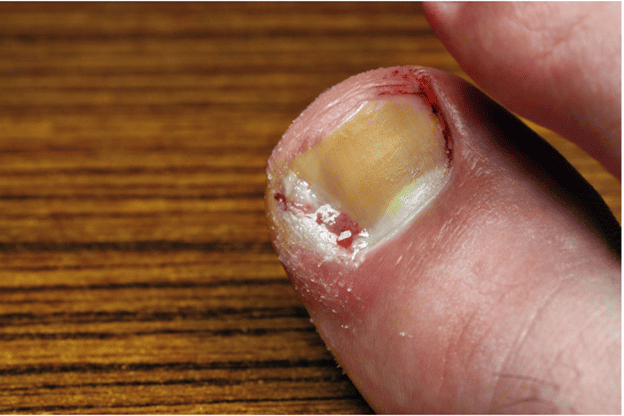
Toenail fungus can become frustrating when the nail never seems to fully improve. Many people begin treatment expecting gradual cosmetic changes, only to realize months later that the nail still looks thick, discolored, or damaged despite consistent effort.
For patients dealing with persistent toenail fungus in Elk Grove Village, the hardest part is often the uncertainty. The nail may improve slightly, then stop changing altogether. In other cases, the fungus appears to improve temporarily before the discoloration or thickening slowly returns again.
This pattern is common with long-standing fungal infections. Toenail fungus rarely changes quickly, which makes it difficult to know whether treatment is helping or simply slowing the progression.
Toenail fungus usually develops gradually, and improvement tends to happen just as slowly. Unlike skin conditions that visibly heal within days or weeks, toenails grow very slowly. Even when treatment is working, healthier nail growth may not become noticeable for several months.
This often creates confusion for patients. Many expect visible cosmetic improvement much sooner than what actually happens.
Over time, treatment routines may become inconsistent. Some people stop using products because they assume nothing is changing, while others continue applying treatments long after progress has stalled.
For patients struggling with stubborn toenail fungus, this uncertainty is often what becomes most discouraging. Slow progress can easily feel like no progress at all.
Also Read: Toenail Fungus 101: Causes, Symptoms, and the Best Ways to Treat It
Long-standing fungal nail infections rarely stay the same over time. Nails may slowly become thicker, more brittle, or uneven in shape. Discoloration often shifts between yellow, white, or cloudy-looking areas beneath the nail.
Some patients notice periods where the nail appears slightly better, only for the changes to gradually return again later. Others begin noticing the nail lifting slightly from the nail bed or becoming increasingly difficult to trim comfortably.
This cycle of temporary improvement followed by recurrence is one of the most frustrating aspects of managing chronic fungal nail infections.
Many people assume treatment failure means they simply chose the wrong product. In reality, persistent fungal infections are usually more complicated than that.
Surface improvement does not always mean the fungus underneath the nail is gone. The visible portion of the nail may appear healthier while fungal organisms remain deeper beneath the nail plate.
Once treatment stops, the infection slowly returns. This is one reason toenail fungus that keeps coming back is so common.
As fungal infections progress, the nail often becomes thicker and denser. This creates another challenge because many topical products struggle to penetrate deeply enough to reach the infection underneath.
Patients dealing with stubborn toenail fungus that isn't responding to treatment in Elk Grove Village often find themselves repeatedly switching products without realizing the medication may never have reached the deeper, more infected layers effectively.
Fungal organisms thrive in warm, damp environments. Even after improvement, reinfection can happen through repeated exposure to moisture and fungus-containing surfaces.
Shoes, socks, locker rooms, and damp footwear environments can all contribute to recurring fungal growth. Some patients continue treating the nail itself while overlooking the underlying conditions that allow the fungus to recur.
Certain health conditions can also make fungal infections more difficult to fully eliminate. Circulation problems, diabetes, immune-related conditions, and repeated nail trauma may all affect how the nail responds to treatment over time.
Persistent fungus is often tied to multiple contributing factors rather than to a single failed product.
Toenail fungus improves slowly, but there are situations where continuing the same treatment without reassessment may no longer make sense.
Even though nail growth takes time, consistently using treatment for months without noticeable improvement may suggest the current approach is no longer effective.
This is often when patients begin searching for information about persistent toenail fungus, and when it’s time to change treatment, because they are unsure whether continuing the same routine is worthwhile.
If the nail becomes progressively thicker or more distorted, or if additional nails develop similar changes, the infection may still be advancing despite treatment.
Recurring fungal growth shortly after stopping treatment often suggests the infection was never fully eliminated.
This is one reason many patients eventually start questioning when to switch toenail fungus medications, rather than repeatedly cycling through the same ones.
Persistent fungal nails are not always just cosmetic concerns. Over time, thickened nails may create pressure inside shoes, making walking uncomfortable.
Also Read: 10 Signs You Should See a Podiatrist Sooner Than Later
Many over-the-counter products can help mild or early fungal infections. However, long-standing infections are usually more difficult to treat because the fungal involvement often extends far beneath the visible nail surface.
Most OTC products primarily affect the outer layers of the nail. As the nail thickens and becomes more distorted, treatment penetration becomes increasingly limited.
This is why many people dealing with ongoing toenail fungus treatment frustration eventually realize that repeated cycles of creams, oils, or home remedies are no longer creating meaningful improvement.
Persistent infections often respond better when treatment focuses not only on the fungus itself, but also on the surrounding nail environment and contributing factors.
Prescription oral antifungal medications may sometimes be considered for deeper or more extensive infections. These medications typically require medical supervision and monitoring because they are not appropriate for every patient.
Some patients explore laser treatment for stubborn toenail fungus after struggling with recurring infections for years.
Laser therapy is designed to target fungal organisms beneath the nail while avoiding damage to surrounding tissue.
Reducing nail thickness through professional debridement may improve treatment penetration and relieve pressure-related discomfort.
Long-standing fungal infections often respond better when multiple strategies are used together rather than relying on a single product.
In many cases, the best treatment for chronic toenail fungus depends on understanding why the infection became persistent in the first place.
One of the most misunderstood parts of toenail fungus treatment is how slowly visible improvement happens.
Even when treatment is effective, damaged portions of the nail do not suddenly disappear. Recovery depends on healthy nail growth, which gradually replaces older, infected nail tissue over time.
For many patients, this process takes several months. Improvement often begins near the base of the nail, long before the entire nail appears healthy again.
Understanding this timeline helps patients maintain more realistic expectations and reduces the urge to stop treatment prematurely.
Recurring fungal infections are not always caused by failed treatment alone.
Warm, damp footwear environments allow fungal organisms to survive and spread repeatedly. Shoes that do not fully dry between uses may continue contributing to reinfection.
Some patients also stop treatment once the nail starts looking slightly better, even if fungal organisms are still present beneath the surface.
Athlete’s foot or surrounding fungal skin involvement can also continue spreading fungal organisms back to the nails.
Many people initially view nail fungus as an appearance issue. However, long-standing infections can eventually affect comfort and daily activities.
Thickened nails may create pressure while walking or make certain shoes uncomfortable to wear. Nails can also become increasingly difficult to trim safely as distortion worsens over time.
This is often when patients seek a podiatrist's evaluation for toenail fungus after years of trying to manage the condition on their own.
Not every thickened or damaged nail is caused by fungus.
Conditions such as nail trauma, psoriasis, chronic nail damage, and repetitive pressure injuries can sometimes create changes that closely resemble nail fungus.
This is why repeatedly changing treatments without confirming the diagnosis can further delay improvement.
A proper evaluation helps determine whether the nail changes are truly fungal and whether the current treatment approach still makes sense based on symptom progression.
Also Read: Your Guide to Podiatry: Foot & Ankle Conditions, Treatments, and When to Seek Care
Persistent fungal infections rarely improve through trial and error alone. Continuing the same ineffective routine for years often creates more frustration than progress.
Long-standing infections may eventually require stronger treatment strategies, combination approaches, updated evaluation, or more targeted prevention planning.
For patients seeking podiatrist treatment for persistent toenail fungus, reassessment often becomes the turning point between repeatedly managing symptoms and finally understanding why improvement has stalled.
If your fungal nail infection keeps returning, stops improving, or becomes increasingly difficult to manage, it may be time to reevaluate your current treatment approach.
Persistent infections often require more than surface-level products alone. A professional evaluation can help determine whether the infection involves more extensive fungal changes, reinfection patterns, or underlying factors affecting recovery.
At Advanced Foot and Ankle Specialists, treatment planning focuses on understanding why progress has stalled and whether a different approach may be more appropriate, given the condition of the nail and the severity of the infection.

